
Automobile insurance in the United States is a contract between you and an insurance company that protects you against financial loss in case of an accident or theft. In exchange for paying a premium, the insurance company agrees to pay your losses as outlined in your policy.
Automobile insurance provides essential financial protection for drivers across the United States
Most states require drivers to carry minimum insurance coverage, though specific requirements vary. Beyond meeting legal obligations, proper auto insurance provides crucial financial protection against potentially devastating costs from accidents, medical expenses, and property damage.
Get personalized quotes from top providers in your area.
Understanding the different types of auto insurance coverage is essential for building a policy that meets your specific needs. Here are the primary coverage options available in the United States:

Liability insurance covers costs associated with injuries and property damage you cause to others in an accident. It includes:
This coverage is mandatory in nearly all states, though required minimum limits vary significantly.
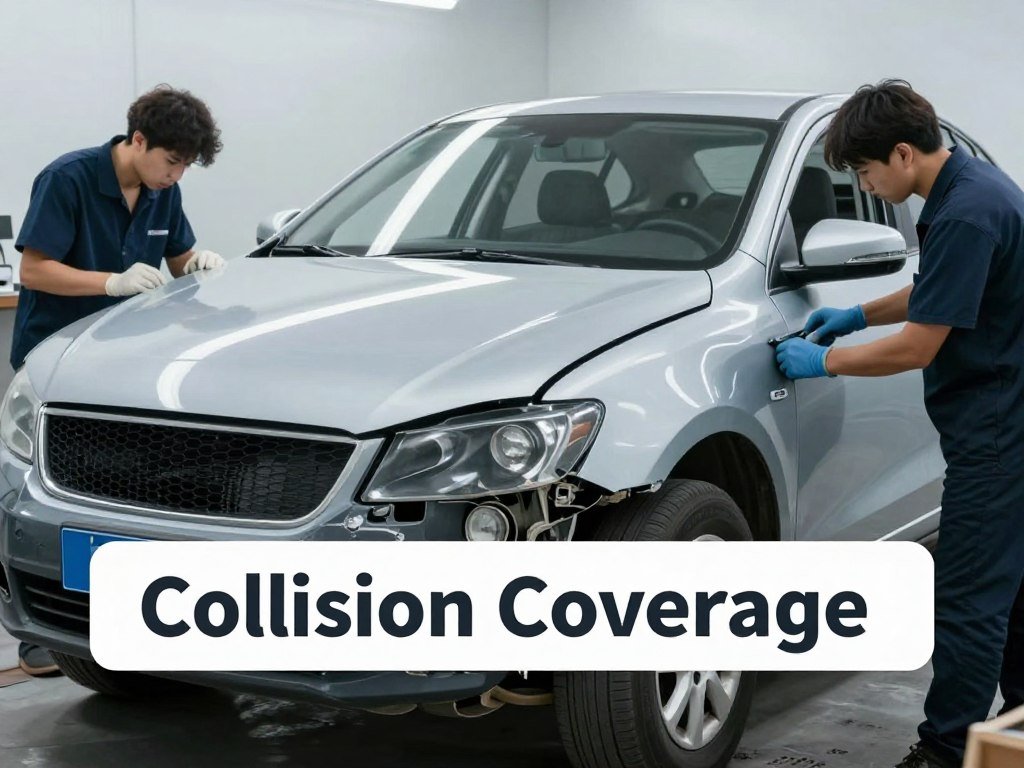
Collision coverage pays for damage to your vehicle when you hit another vehicle or object, regardless of who’s at fault. This coverage typically comes with a deductible—the amount you pay before your insurance kicks in.
While not legally required, lenders and leasing companies usually mandate this coverage to protect their investment in your vehicle.

Also known as “other than collision” coverage, comprehensive insurance covers damage to your car from incidents other than collisions, including:
Like collision coverage, comprehensive typically includes a deductible and is often required by lenders.

This coverage protects you when you’re in an accident with a driver who either has no insurance or insufficient coverage to pay for your damages and medical expenses.
Many states require this coverage, recognizing the financial risk posed by the significant number of uninsured drivers on American roads.

Personal Injury Protection covers medical expenses for you and your passengers regardless of who caused the accident. It may also cover:
PIP is required in “no-fault” insurance states and optional in others.
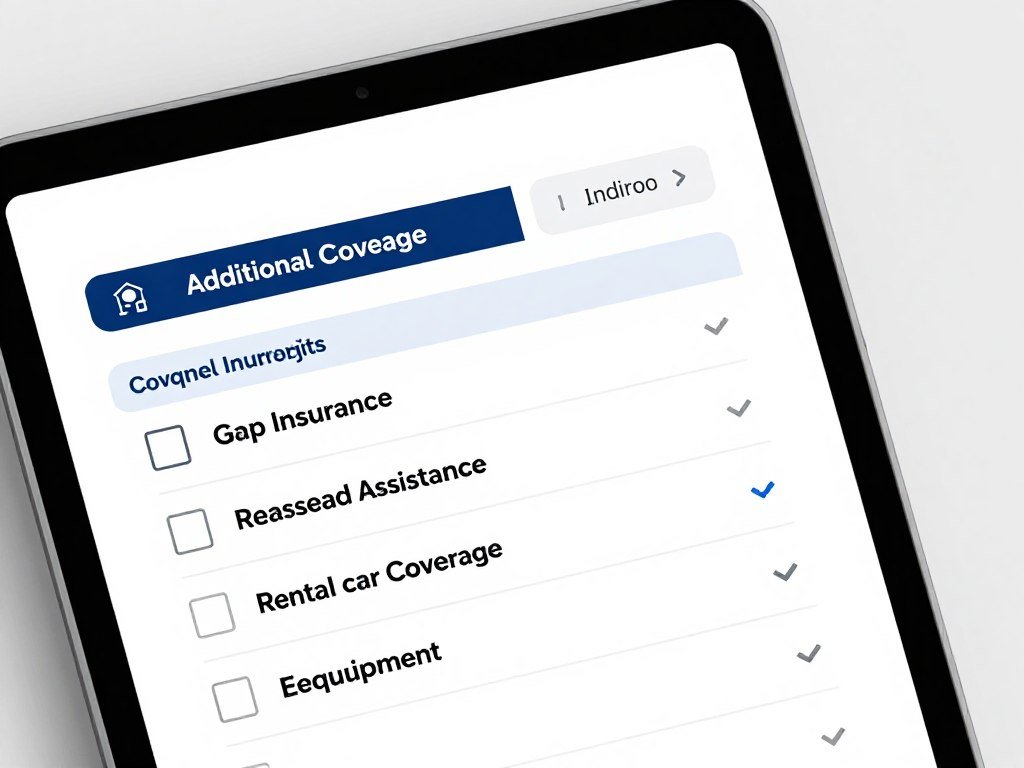
Beyond the standard coverages, you can customize your automobile insurance with these options:
Speak with an insurance professional to build a customized policy.
Automobile insurance requirements vary significantly across the United States, with each state setting its own minimum coverage levels and policy requirements.
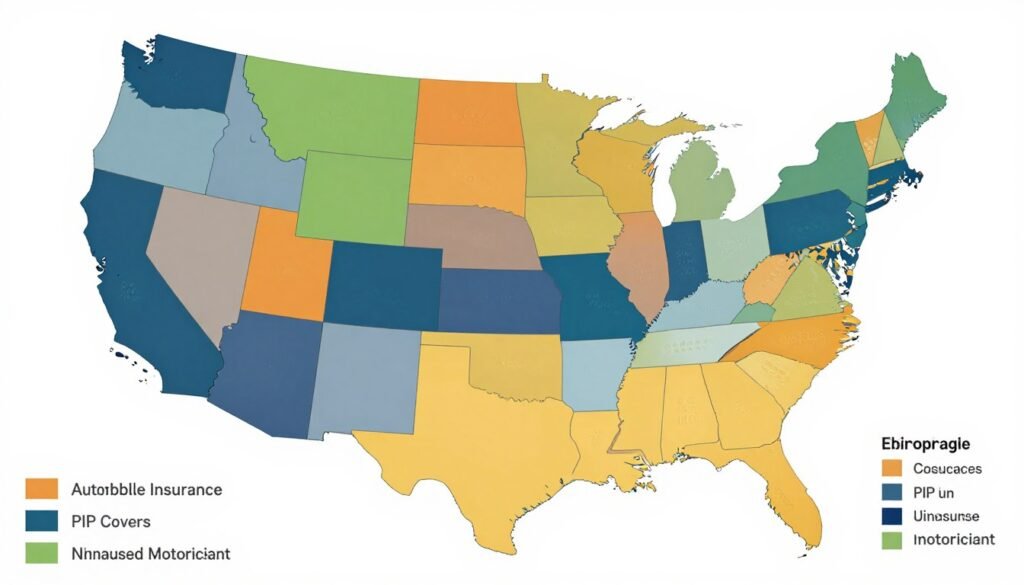
Minimum automobile insurance requirements vary significantly across different states
State requirements are typically expressed in a three-number format like 25/50/25, which represents:
| State | Minimum Liability | No-Fault State? | Additional Requirements |
| California | 15/30/5 | No | None |
| Florida | 10/20/10 | Yes | $10,000 PIP |
| Michigan | 50/100/10 | Yes | Unlimited PIP medical benefits |
| New Hampshire | 25/50/25 | No | Insurance not mandatory but financial responsibility required |
| New York | 25/50/10 | Yes | $50,000 PIP, uninsured motorist coverage |
State minimum requirements often provide insufficient protection in serious accidents. Most insurance professionals recommend carrying higher limits to adequately protect your assets.
Get detailed information about automobile insurance requirements in your state.
Many variables affect how much you’ll pay for automobile insurance in the United States. Understanding these factors can help you make informed decisions about coverage and potentially find ways to lower your premiums.
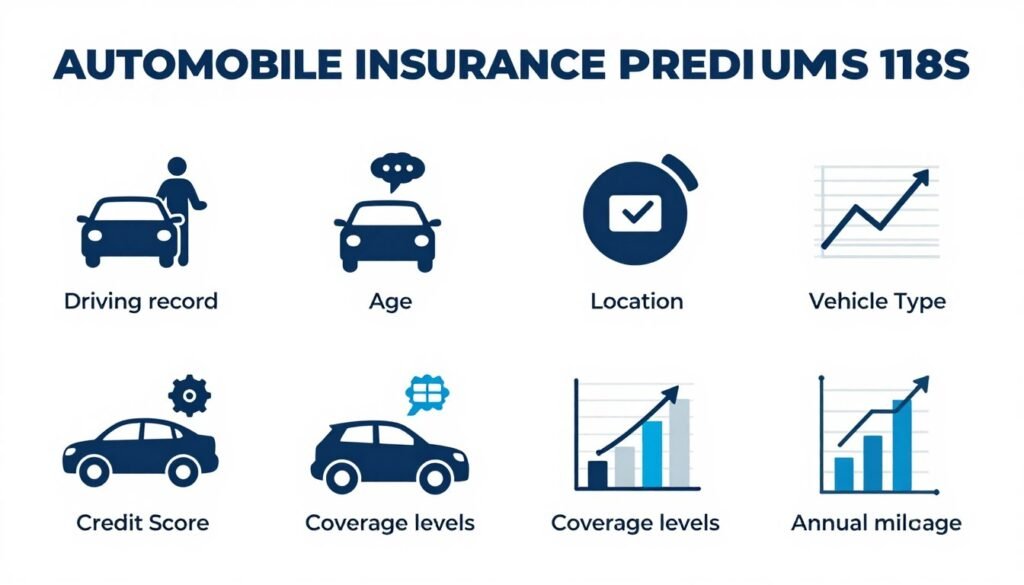
Multiple factors determine your automobile insurance rates, with driving history having the most significant impact
Compare personalized quotes from multiple providers.
Finding affordable automobile insurance in the United States doesn’t mean sacrificing quality coverage. These proven strategies can help you lower your premiums while maintaining appropriate protection.

Comparing quotes from multiple providers is one of the most effective ways to save on automobile insurance
“Many consumers could save hundreds of dollars annually by shopping around and comparing quotes from multiple insurance providers. The market is competitive, and rates can vary significantly between companies for the same coverage.”
Get quotes from top providers and see how much you could save.
Knowing how to navigate the claims process is essential for getting fair compensation after an accident or other covered incident. Here’s what to expect when filing an automobile insurance claim in the United States.

Working with an insurance adjuster is a key part of the automobile insurance claims process
Get expert assistance navigating the claims process.
Selecting the appropriate automobile insurance policy requires balancing coverage needs, budget constraints, and personal risk tolerance. Follow these guidelines to make an informed decision.

Working with a knowledgeable insurance agent can help you navigate complex coverage decisions

Comparing quotes from multiple providers helps ensure you’re getting the best value
Compare personalized quotes from top-rated insurance providers.
Driving without insurance in the United States can result in serious consequences, including:
Yes, in most states, insurance companies use credit-based insurance scores as a rating factor. Studies have shown correlation between credit history and claims filing. However, California, Hawaii, Massachusetts, and Michigan have restrictions on using credit information for insurance rating.
In most cases, yes. At-fault accidents typically lead to premium increases at renewal time. The amount of increase depends on the severity of the accident, your previous driving record, and your insurance company’s specific rating policies. Some insurers offer accident forgiveness programs that prevent rate increases after your first accident.
Generally, your personal auto insurance follows you when you drive another person’s vehicle with their permission. However, your coverage is typically secondary to the vehicle owner’s insurance. Coverage limitations may apply, particularly for rental cars or if you drive someone else’s car regularly. Check your specific policy for details.
A deductible is the amount you pay out-of-pocket before your insurance coverage kicks in. For example, with a 0 deductible, you would pay the first 0 of a covered repair, and your insurance would cover the rest. Higher deductibles generally result in lower premiums, while lower deductibles mean higher premiums but less out-of-pocket expense when filing a claim.

Insurance representatives can help answer your specific questions about automobile coverage
Navigating automobile insurance in the United States requires understanding various coverage types, state requirements, and personal risk factors. By taking time to research options, compare quotes, and regularly review your coverage, you can find a policy that provides adequate protection at a competitive price.
Remember that the cheapest policy isn’t always the best value—consider the financial protection insurance provides in worst-case scenarios. A slightly higher premium might save you from significant out-of-pocket expenses after an accident.
Whether you’re a new driver getting insurance for the first time or a seasoned motorist looking to optimize your coverage, the information in this guide can help you make confident, informed decisions about your automobile insurance.
Get quotes from top-rated providers and find the right coverage for your needs.

Como um entusiasta declarado de duas, quatro ou mais rodas, minha paixão por motos, carros e caminhões me trouxe ao Estrada Conectadas. Adoro desvendar o mundo automotivo e compartilhar informações relevantes e matérias exclusivas com vocês por aqui.